6 Types of Transposons in Eukaryotes
“Common eukaryotic transposons are P element and retrotransposons in drosophila, Ac/Ds and Spm/dSpm in Maize, Ty element in yeast, and retrotransposons (LINEs & SINEs) in humans.” Transposons, often known as

“Common eukaryotic transposons are P element and retrotransposons in drosophila, Ac/Ds and Spm/dSpm in Maize, Ty element in yeast, and retrotransposons (LINEs & SINEs) in humans.” Transposons, often known as
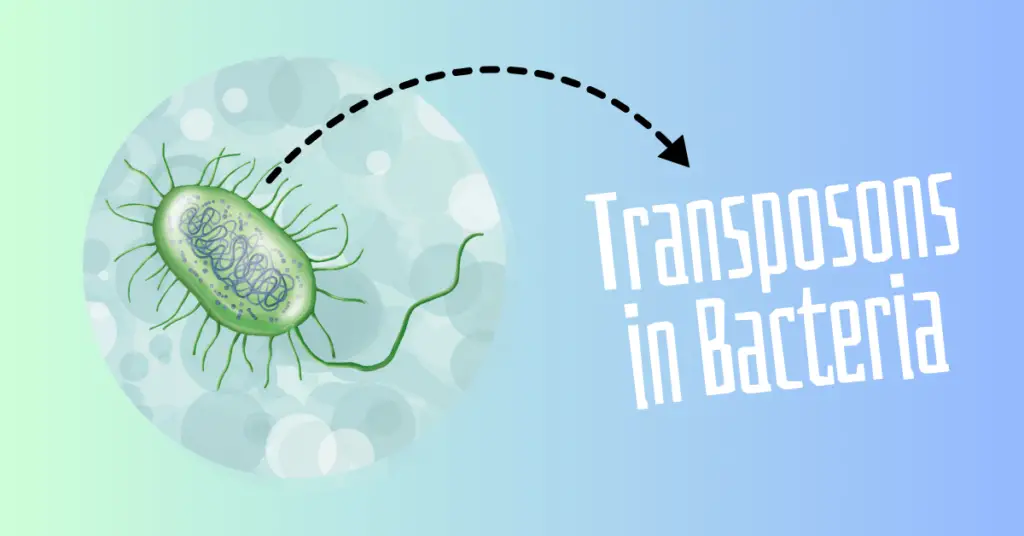
“Bacterial transposons are DNA transposons and help to spread antibiotic resistance. In this article, learn about bacterial transposons.” Transposons are mobile genetic elements that can move within the genome of
Transposons in Bacteria– IS Elements, Composite, Non-Composite and Mu Phage Read More »
“Transposons are mobile genetic sequences that change their position within the genome through a process called transposition, which generates a new copy of the gene at a different location.” Our
What are Transposons?- Introduction, History and Types Read More »
“A hairpin-shaped, single-stranded, sequence-specific real-time PCR probe is known as Molecular Beacon having a higher sensitivity and specificity.” The present article is more technical, including in-depth technical things related to
Structure and Function of Molecular Beacon Probes Read More »
“A typical PCR reaction contains a required concentration of dNTPs, Taq DNA polymerase, PCR primers, PCR buffer, template DNA and water. Each PCR reaction varies in terms of the concentration
How to Prepare an Excellent PCR Reaction? A step-by-step Guide Read More »
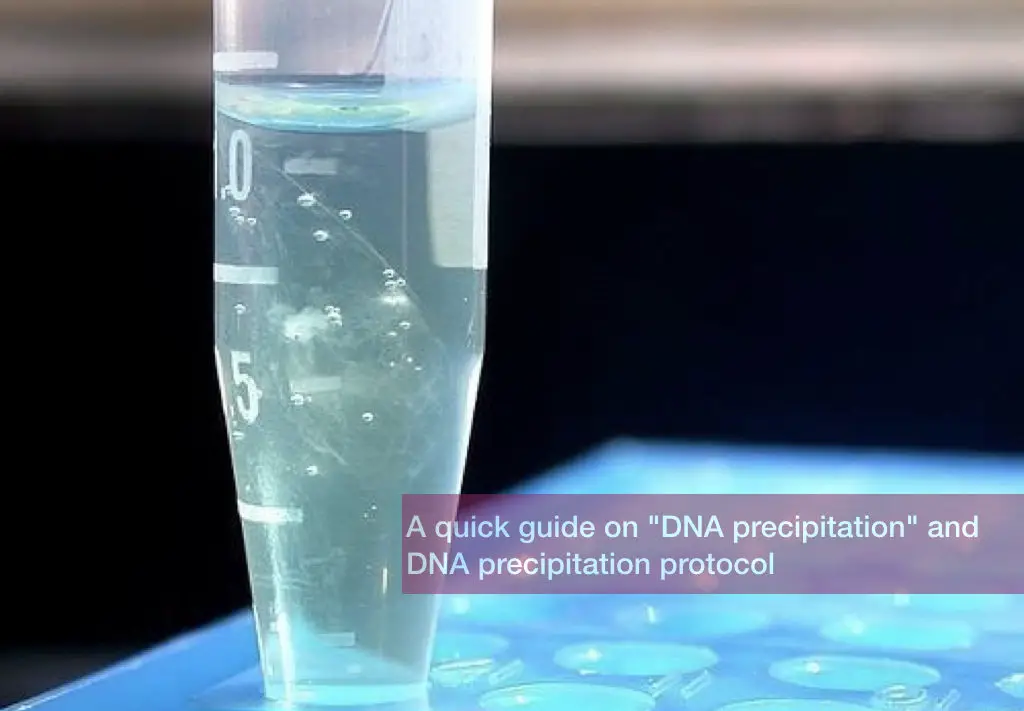
“DNA precipitation is a process of nucleic acid (DNA/ RNA) precipitation using alcohol and salt. Ethanol and isopropanol are the two most common types of alcohol used in the DNA