What is Gradient PCR and How to Use it?
“In a gradient PCR, we can create temperature variation for the annealing step, set different annealing temperatures and test different parameters at different temperatures.” PCR is an amazing discovery in

“In a gradient PCR, we can create temperature variation for the annealing step, set different annealing temperatures and test different parameters at different temperatures.” PCR is an amazing discovery in
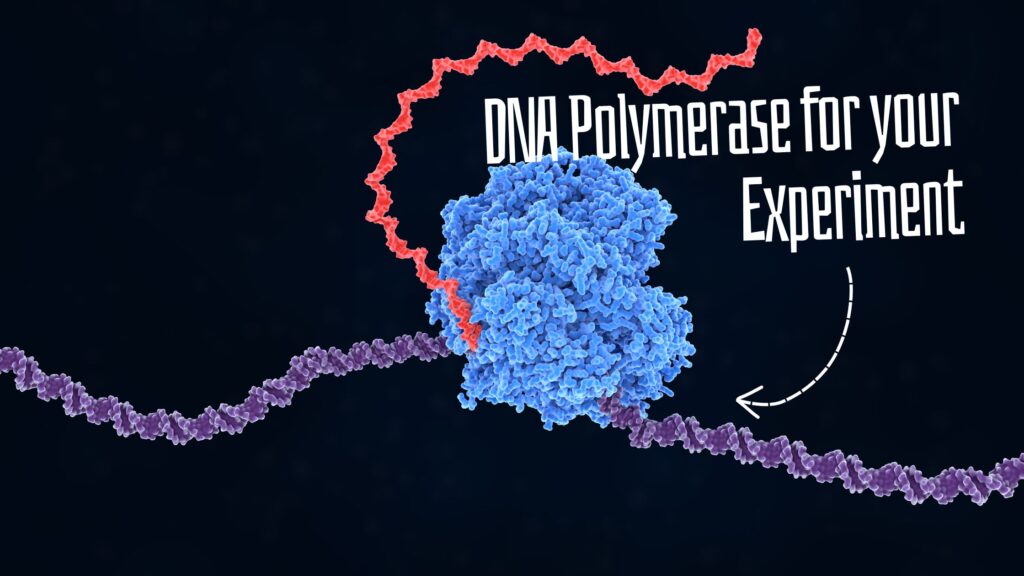
“Countless commercially available DNA polymerases make the choice difficult. Here is the guide on how to select a DNA Polymerase for your genetic experiment.” The function of a DNA polymerase
A Guide to Choose DNA Polymerase for Your Experiment Read More »
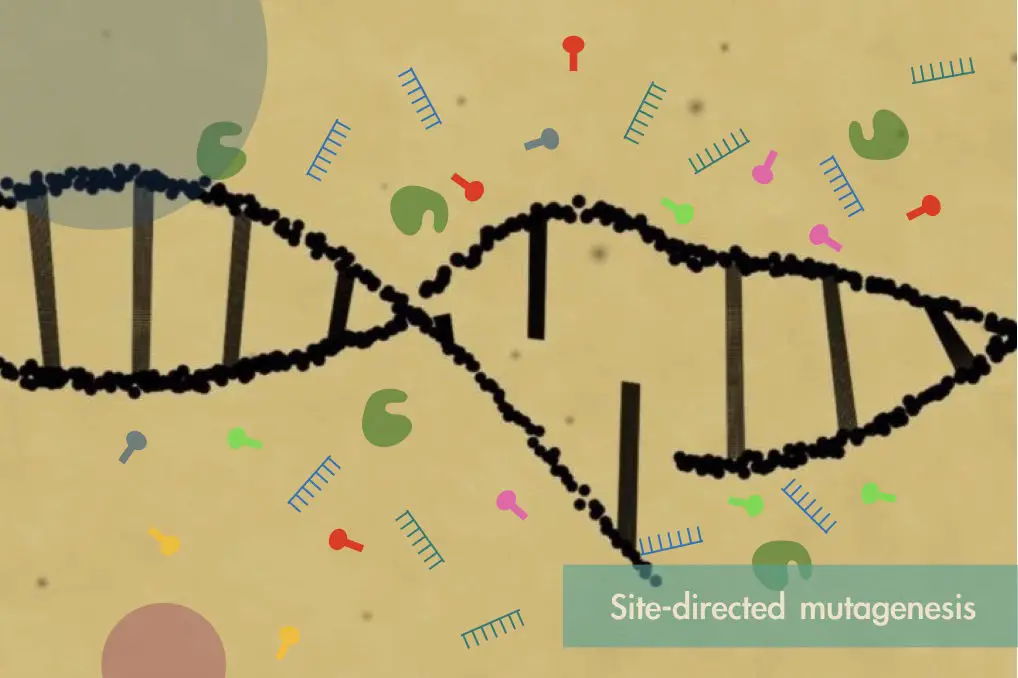
“The site-directed mutagenesis is an artificial (in vitro) technique for introducing mutation or alteration into the target (known) DNA sequence.” In simple words, we can say that by using artificial
Site-Directed Mutagenesis: Methods and Applications Read More »
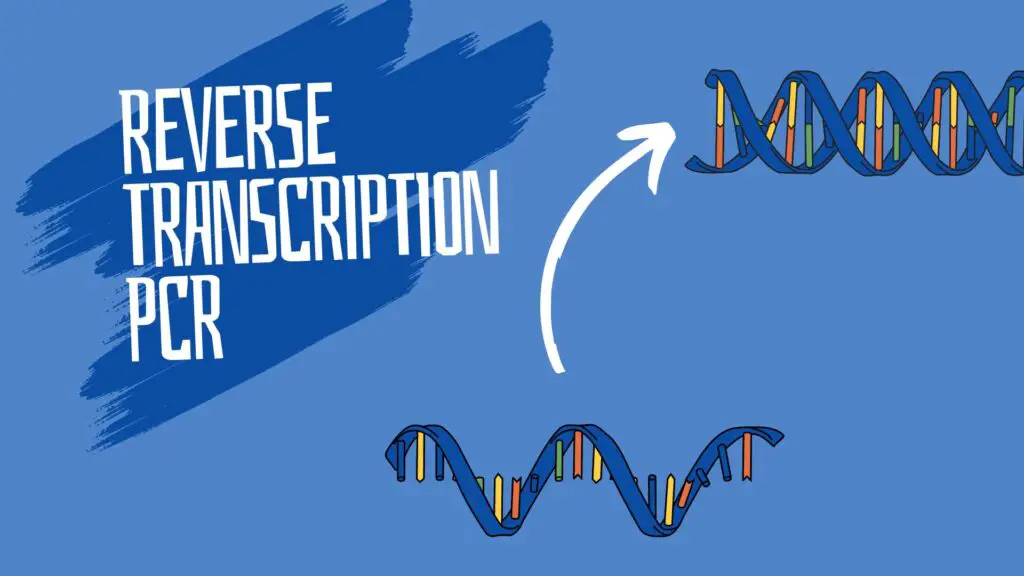
“RT-PCR can effectively quantify copies of a gene present in the sample. Thus, it’s widely used in gene expression studies, cancer research and viral load estimation.” PCR (Polymerase Chain Reaction)
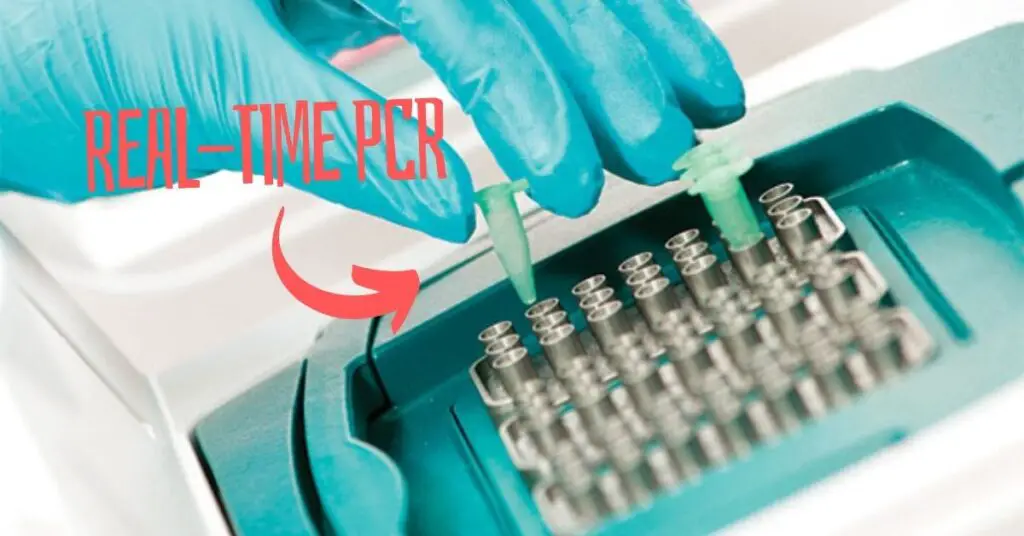
“Real-time PCR is a technique used for the quantification of nucleic acid present in the sample using either fluorescence dye or probe-based technique.” PCR is capable enough to amplify the
Real-time PCR: Principle, Procedure, Advantages, Limitations and Applications Read More »
“Inverse PCR is used for site-directed mutagenesis and insert studies. Learn about the technique, concept, protocol and applications of inverse PCR.” PCR (Polymerase Chain Reaction) is a technique to amplify
Inverse PCR: Principle, Procedure, Protocol and Applications Read More »