
Optimizing PCR Cycles to Get Good Results
Usually, 25 to 35 cycles a typical PCR reaction needs to get a good amount of amplification, containing denaturation, annealing and extension simultaneously at 95ºC, 50 to 68ºC and 72ºC. […]
“Mitochondrial and X chromosomal DNA, traits like fetus’ gender & intelligence and related-diseases are inherited from the mother.” The present article has very interesting information on how genetic inheritance differs
What Genes, Traits and Disorders are inherited from the Mother only? Read More »
“Post-translational modifications, abbreviated s PTMs are the biological modifications that occur after protein synthesis which alters protein structure and function. Common PTMs are phosphorylation, Methylation, acetylation, lipidation, hydroxylation and ubiquitination.
What is Post-Translational Modifications (PTMs)?- 10 Most Commonly Studied PTMs Read More »
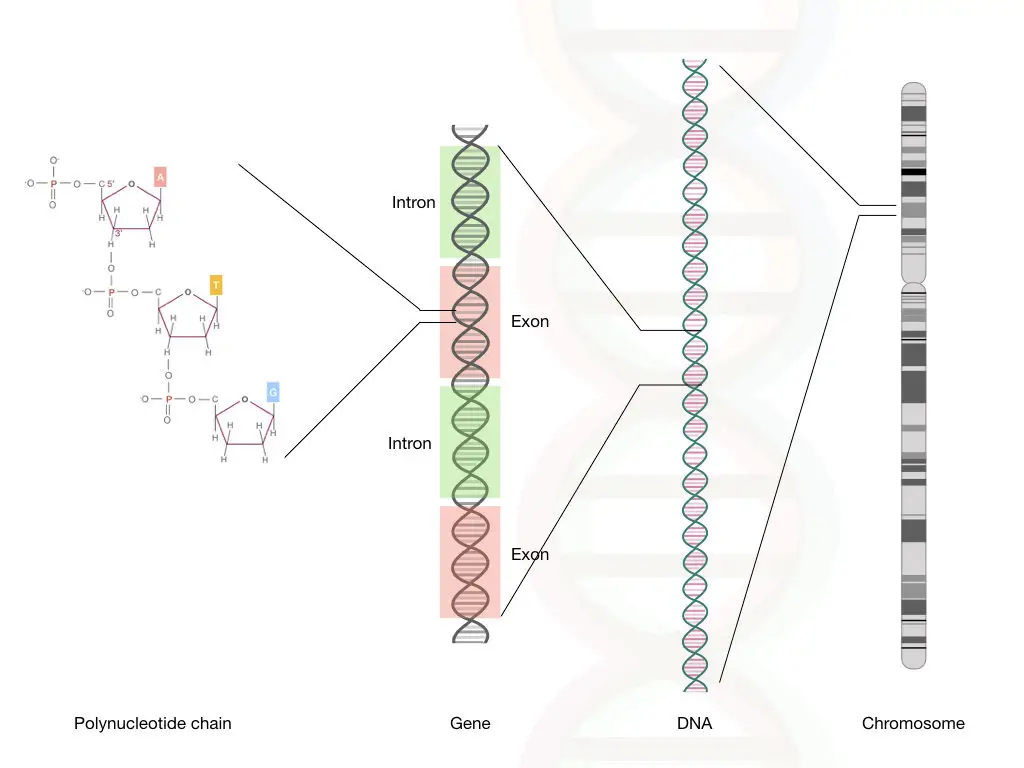
“Junk DNA indeed isn’t junk, a huge portion of our genome performs important functions for life. Although made up of sequences that can’t form proteins.” Our DNA is the simplest
Junk DNA- Definition, Structure, Function, Percentage and Examples Read More »
The junk DNA part- the 80% mystery has an important biological function, claimed by the authors of ENCODE, the encyclopedia of non-coding DNA. Because DNA makes proteins, it is important
Why is the “so-called” Junk DNA Important for Us? Read More »
Replication is a process to manufacture a new DNA, a duplex DNA makes another duplex. DNA polymerase actively participates in this process and controls the whole from start to end.
How DNA “Proofreading” Occurs During Replication?- 4 Ways It Happens Read More »