What is CRISPRi or CRISPR interference?
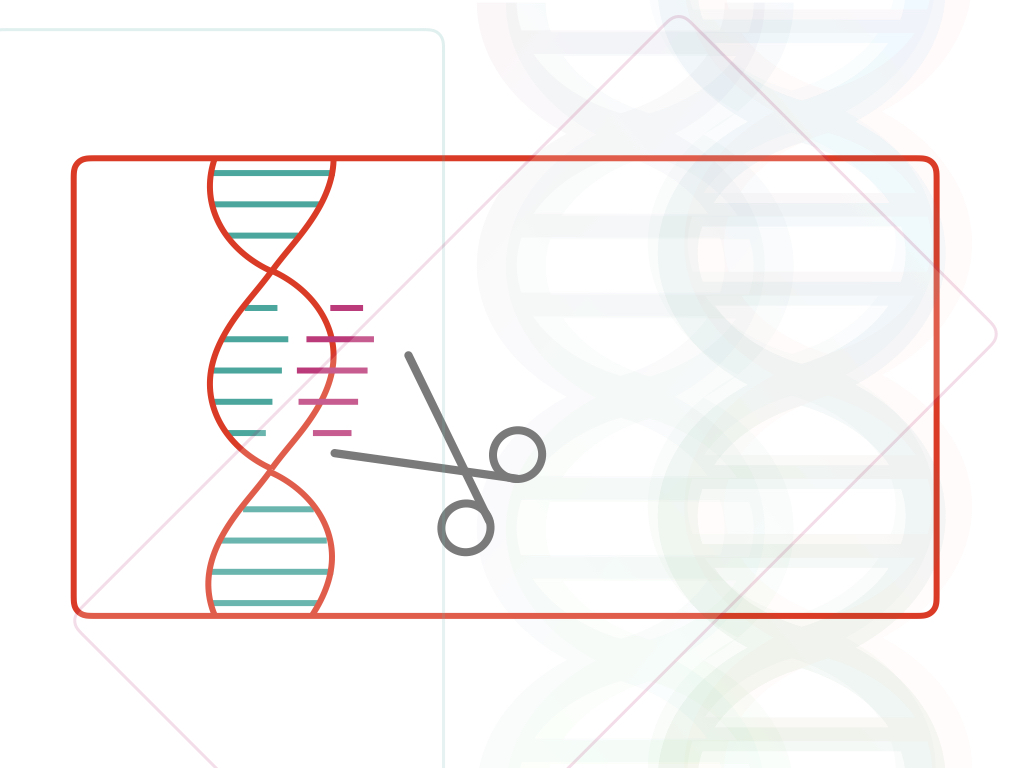
CRISPRi, short for CRISPR interference, is designed to repress gene expression using the customized sgRNA and dCAS. CRISPR- CAS9 is simply amazing! Why? Because it can edit a gene at

CRISPRi, short for CRISPR interference, is designed to repress gene expression using the customized sgRNA and dCAS. CRISPR- CAS9 is simply amazing! Why? Because it can edit a gene at
“dCAS9 is a deactivated or dead Cas protein that lacks nucleophilic activity or simply is a deactivated nuclease CAS9.” Read more: CRISPR-Cpf1(Cas12a) Gene-Editing System- Explained. You may wonder, Without nucleophilic
dCAS9 (Dead CAS system): Concept, Functions and Applications Read More »
“CRISPR CAS9 is a revolutionary recombinant/ gene-editing technique used in medical research, disease diagnosis, plant research and agriculture.” The era of recombinant DNA technology or more precisely we can say
“DNA denaturation is a process to break the double-stranded DNA into single-stranded by either physical or chemical agents is known as DNA denaturation.” For the last couple of weeks, we
Process to Denature DNA- Definition, Importance, Techniques and Applications Read More »
Genetic testing labs can report genetic abnormality by investigating DNA, gene or chromosomes, generate a report and can advise management steps. Before a decade, it was difficult to run a
qPCR acronym as quantitative PCR is a technique to measure the amount of DNA present in a sample. It can study gene expression by utilizing either the TaqMan probe or
Easiest qPCR Protocol using TaqMan Probe and SYBR Green Dye Read More »